
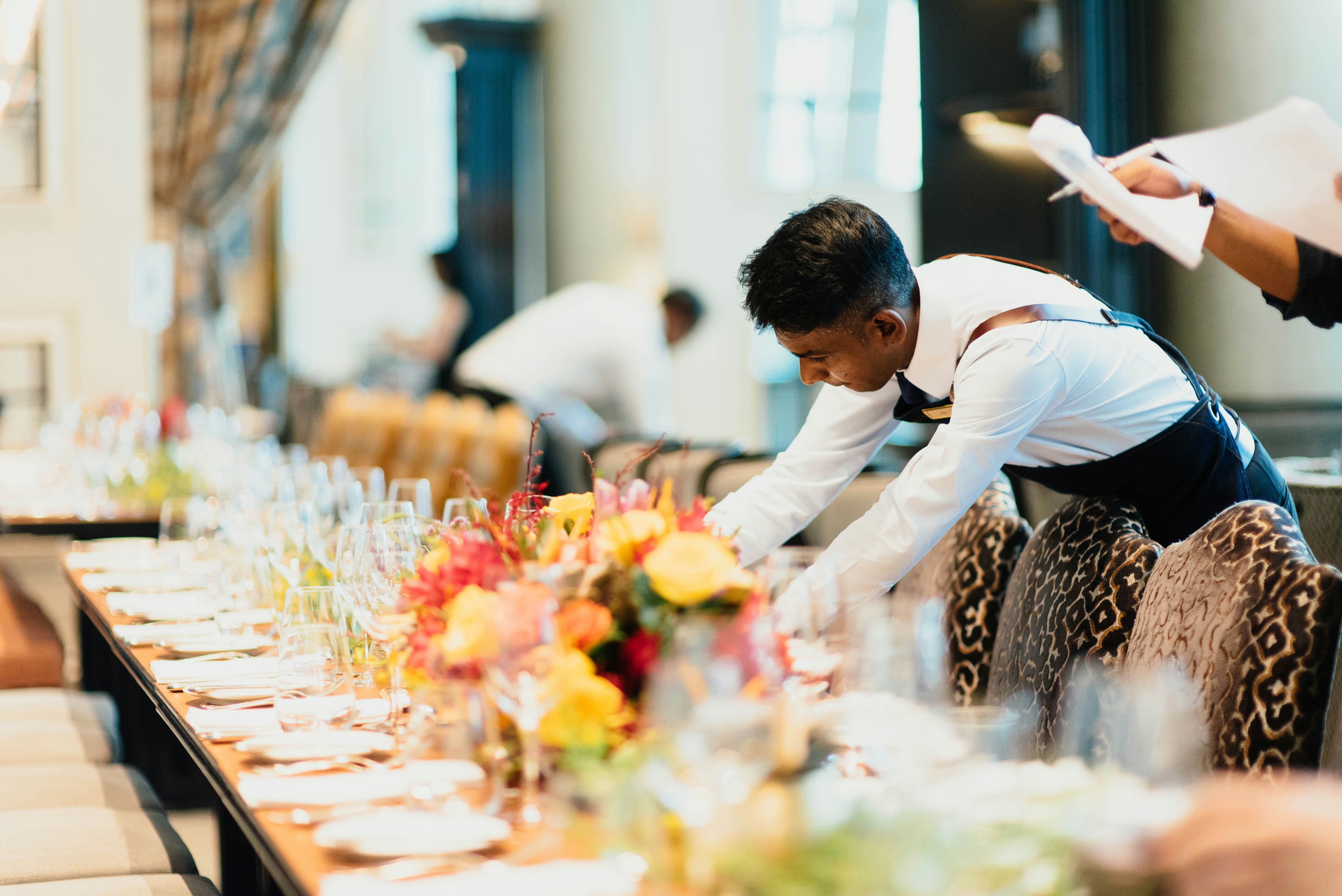
Running a restaurant can be stressful at the best of times – Our leadership in hospitality courses help you build leaders from within that you can trust to carry out your vision and keep your kitchen and front of house staff united and working towards the same shared success.
The following courses are available:
- Foundations of Leadership in Hospitality
- Communication and Team Dynamics
- Customer-Centric Leadership
- Conflict Resolution and Problem Solving
- Emotional Intelligence for Leaders
- Developing Future Leaders
- Leadership Development for Kitchen Manager
- Final Integration and Action Planning
| Module Title | Brief Description | Deliverables |
|---|---|---|
| Foundations of Leadership in Hospitality | • Characteristics of effective leadership Leadership styles and adaptability in hospitality • Impact of cultural diversity on leadership | • Identify key leadership traits and styles relevant to the hospitality industry. • Understand the impact of cultural diversity on leadership dynamics within the restaurant. • Assess personal leadership styles and identify areas for development. • Apply adaptable leadership strategies in various operational scenarios. |
| Communication and Team Dynamics | • Overcoming language and cultural barriers • Active listening and effective feedback • Building trust and collaboration within teams • Resolving misunderstandings between teams | • Demonstrate effective communication techniques to bridge language and cultural barriers. • Build trust and collaboration within diverse teams. • Resolve misunderstandings between front-of-house and kitchen staff using proven communication strategies. • Foster a team culture that prioritizes mutual respect and cooperation. |
| Customer-Centric Leadership | • Balancing cultural values with customer service expectations • Managing customer complaints with professionalism • Empowering teams to handle customer needs effectively • Aligning customer service strategies with the restaurant’s brand | • Balance cultural values with customer service expectations to deliver exceptional dining experiences. • Handle customer complaints with professionalism while maintaining team morale. • Empower staff to proactively address customer needs while respecting kitchen operations. • Implement customer-focused strategies that align with the restaurant’s brand identity. |
| Conflict Resolution and Problem Solving | • Common sources of conflict in hospitality • Conflict resolution models (e.g., “5 Whys” approach) • Cultural sensitivity in resolving disputes • Collaborative problem-solving techniques | • Identify root causes of conflicts between teams and propose effective solutions. • Resolve disputes in a culturally sensitive and respectful manner. • Apply collaborative problem-solving techniques to operational challenges. • Strengthen team unity by mediating and de-escalating conflicts. |
| Emotional Intelligence for Leaders | • Emotional intelligence (EQ) and its importance in hospitality leadership Self-awareness and managing emotional triggers • Building empathy and understanding team perspectives • Stress management techniques | • Recognize and manage personal emotions to enhance decision-making under pressure. • Develop empathy to understand the perspectives of team members and customers. • Apply stress management techniques to maintain composure during peak periods. • Cultivate emotional resilience to navigate complex interpersonal dynamics. |
| Developing Future Leaders | • Identifying leadership potential within the team • Delegating tasks effectively • Coaching and mentoring staff • Recognizing and rewarding achievements | • Identify and nurture leadership potential within the team. • Implement delegation techniques to empower team members and develop their skills. • Mentor and coach staff to prepare them for future leadership roles. • Recognize and reward staff contributions to foster motivation and engagement. |
| Leadership Development for Kitchen Managers | • Cultural expectations in Thai cooking and modern customer demands • Communication techniques for kitchen managers • Balancing tradition with flexibility • Fostering a collaborative kitchen culture | • Understand the cultural expectations of Thai cooking and customer service in a modern hospitality context. • Communicate effectively with front-of-house staff to minimize misunderstandings and operational friction. • Balance tradition with flexibility to meet customer demands while preserving culinary standards. • Foster a collaborative kitchen culture that promotes respect and teamwork. |
| Final Integration and Action Planning | • Developing personal leadership action plans • Applying leadership principles through role-playing scenarios • Measuring progress and setting future goals • Sustaining the leadership program within the restaurant | • Create personalized leadership action plans with clear, measurable goals. • Apply leadership principles to real-world scenarios through practice and role-playing. • Evaluate personal progress and team improvements over time. • Develop strategies to sustain and evolve the leadership program within the restaurant. |
 BMG Training Institute